Logistics News
Container Shipping in 2027: More Vessels Could Mean Stronger Competition for Cargo
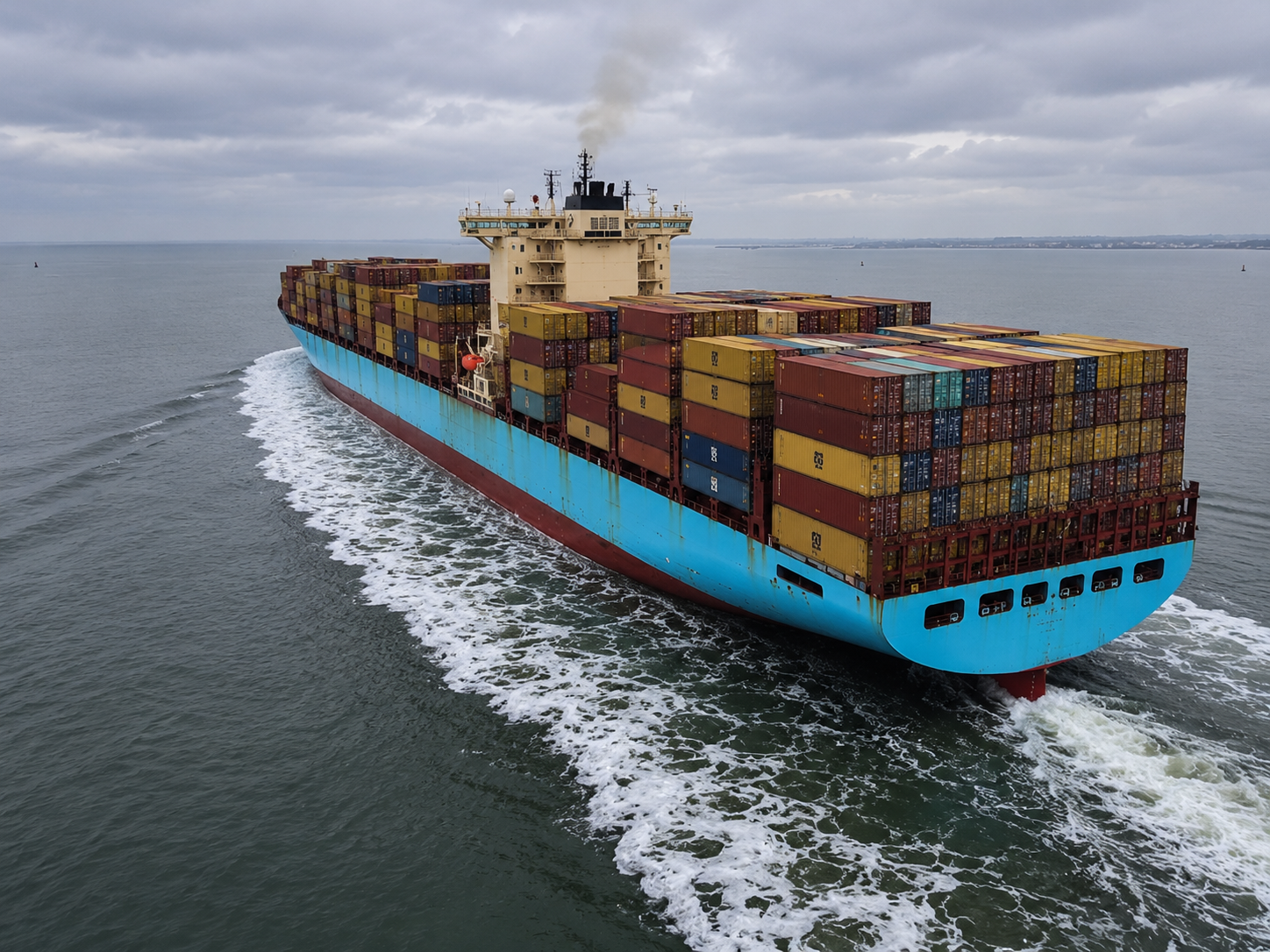
The global container shipping market may be approaching an important shift. After several years in which disruptions and longer sailing distances absorbed substantial vessel capacity, BIMCO expects fleet supply to grow considerably faster than cargo demand in 2027.
For shippers, this could create a noticeably different market - with more available capacity, stronger competition between carriers and potentially greater pressure on freight rates.
Container shipping remains relatively well supported in 2026. Disruptions to traditional routes and geopolitical risks continue to force vessels onto longer voyages, keeping more ships occupied. At the same time, however, a large wave of newly built container vessels is entering service.
According to BIMCO, global container fleet capacity has reached approximately 34 million TEU, having added around 10 million TEU in only five and a half years. Fleet capacity is forecast to increase by another 4.6% in 2026 before accelerating by around 9% in 2027.
The orderbook makes the change particularly significant. More than 14 million TEU of additional container ship capacity is currently on order, equivalent to roughly 42% of the existing fleet. BIMCO also expects ship recycling to remain limited, meaning much of this new capacity could represent a genuine net addition to global supply.
The Suez Canal could amplify the effect. If more services return to shorter Red Sea–Suez routings instead of sailing around the Cape of Good Hope, fewer vessels will be required to transport the same cargo volumes. BIMCO estimates that under such conditions available vessel capacity could potentially exceed demand by around 10%.
For cargo owners, an increasingly competitive market could mean more routing options and greater negotiating pressure on carriers. However, lower rates should not be treated as guaranteed: port congestion, fuel prices, geopolitical developments and regional container imbalances can still produce substantial differences between individual trades.
LOADSTAR UNITY LTD works with international container shipments and helps businesses compare routes, carriers and current market conditions. When capacity changes quickly, selecting the right sailing and booking window can become just as important as choosing the lowest headline freight rate.